

Understanding Quiet Burnout
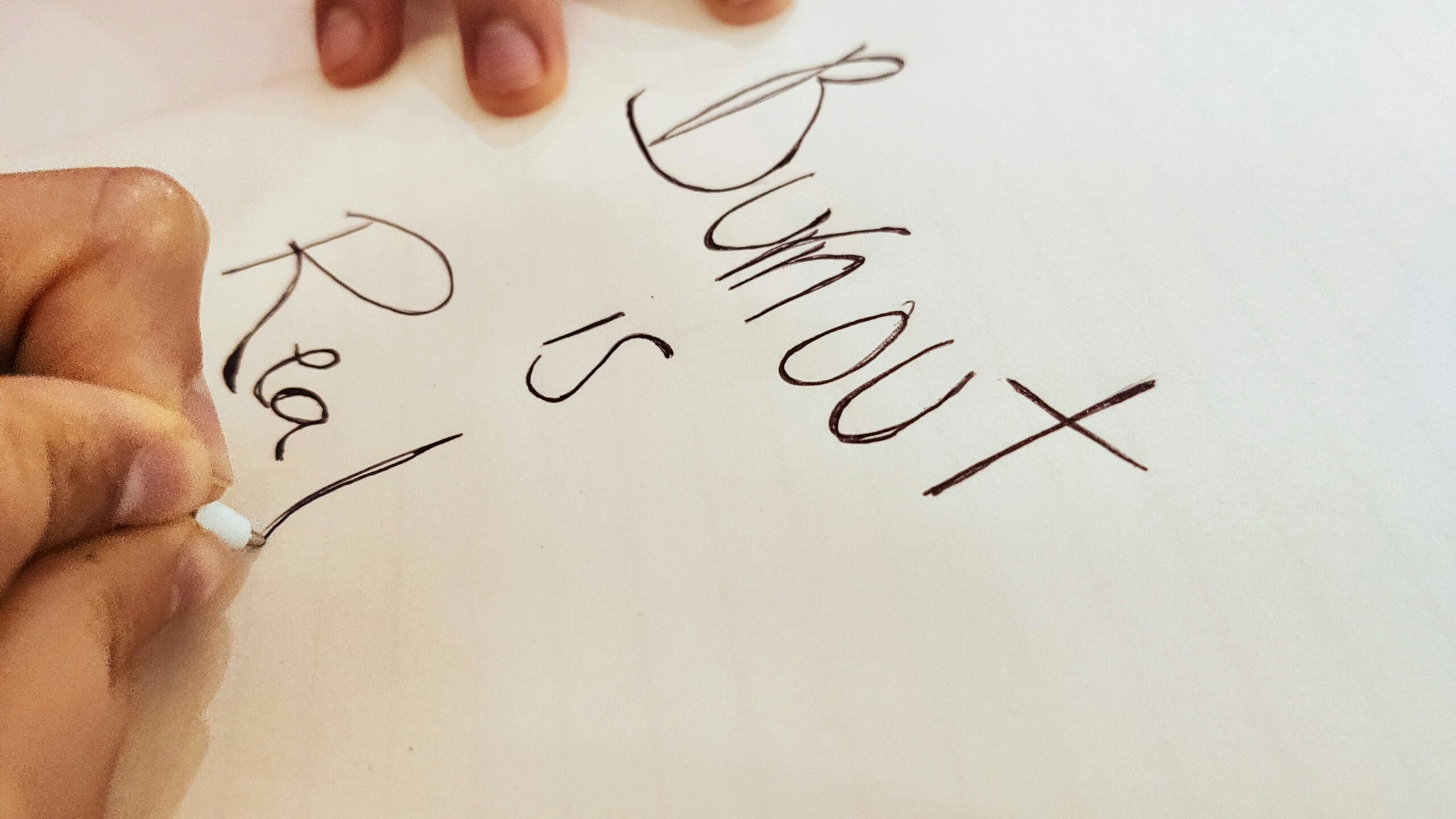
Quiet burnout refers to a subtle and often unnoticed form of burnout that can develop over time. Unlike traditional burnout, which typically manifests through loud signs of exhaustion, frustration, or overt disengagement, quiet burnout is characterized by a gradual depletion of energy and enthusiasm without overt symptoms that might draw attention. Individuals may continue to fulfill their responsibilities at work or in personal life, even as they feel increasingly drained and unmotivated.
This form of burnout can often go unnoticed by the individual experiencing it, as the signs are less pronounced. For example, a dedicated employee may find themselves completing tasks, yet lacking passion or joy in their work. They may feel a sense of mental fog or disconnection from their colleagues, but may dismiss these feelings as simply part of the daily grind. A mother, who routinely manages her household and parenting duties, might feel persistently exhausted and irritable, yet attribute it to the stress of juggling various responsibilities. In both cases, the individuals are affected silently, resulting in a significant decline in their overall well-being.
Quiet burnout often sneaks up on individuals, making it harder to recognize until it has reached a deeper level. It can lead to decreased productivity, strained relationships, and even physical health issues. Those affected may struggle to communicate their feelings to others or may feel guilty about their lack of enjoyment in things they once loved. Therefore, understanding quiet burnout is essential for prevention and recovery. It requires a heightened awareness of one’s mental health and well-being, encouraging individuals to take proactive steps to manage stress before it becomes overwhelming.
Signs and Symptoms of Quiet Burnout
Quiet burnout, unlike traditional burnout characterized by overt stress and exhaustion, presents more subtle yet significant indicators that can easily be overlooked. Understanding these signs is crucial for early identification and intervention. One of the primary symptoms is emotional numbness. Individuals may find themselves unable to connect with their emotions, experiencing a detachment from their feelings, which often leads to a sense of emptiness. This emotional distance can render people unable to derive joy from activities they once enjoyed, signaling a decline in mental and emotional well-being.
Another notable symptom is a profound lack of motivation. Tasks that previously sparked enthusiasm may begin to feel burdensome and uninspiring. This decline in drive often manifests in procrastination or avoidance of responsibilities, both at work and in personal life. Coupled with this lack of motivation is a disengagement from relationships. Depleted energy levels and emotional fatigue can make interaction with colleagues, friends, and family seem daunting, leading to isolation and a preference for solitude.
Chronic fatigue is another critical indicator of quiet burnout. Unlike general tiredness, this fatigue is persistent and can be accompanied by physical symptoms such as headaches or digestive issues. Individuals may find that regular rest does not alleviate their feelings of exhaustion. Other symptoms can include irritability, decreased job satisfaction, and a sense of ineffectiveness in one’s role. Recognizing these signs early on can offer individuals the opportunity to reassess their current situation and seek necessary support. Personal stories frequently highlight how individuals have gradually realized they were experiencing quiet burnout, often reflecting on the initial subtlety of their symptoms and how they evolved over time, affecting their overall quality of life.
Causes of Quiet Burnout
Quiet burnout often stems from a combination of factors that intertwine workplace culture, personal expectations, and societal pressures. In modern work environments, the expectation to remain constantly connected and available has intensified. The 24/7 nature of our society blurs the lines between personal and professional time, creating an atmosphere where individuals feel compelled to meet increasing demands without the necessary resources. This lack of support often leads to feelings of inadequacy, contributing to the onset of quiet burnout.
Furthermore, many employees find themselves in cultures that prioritize productivity above personal well-being. This pervasive attitude can result in individuals suppressing their own needs in favor of meeting external expectations. Over time, this suppression creates a silent but profound discomfort that manifests as quiet burnout, where individuals feel disengaged yet continue to perform their duties.
Aside from workplace dynamics, personal life issues also play a critical role in the development of quiet burnout. Relationships, health problems, and the ongoing struggle to balance various aspects of life can create emotional and psychological strain. Such burdens can amplify the stress levels experienced in the workplace and contribute to a pervasive sense of exhaustion.
The societal pressures that demand constant achievement and success only add to the weight of expectations. Many individuals grapple with the fear of falling behind or not measuring up to societal standards, which can exacerbate feelings of inadequacy. This cycle of pressure, whether from the workplace or personal endeavors, traps individuals in a state of quiet burnout, ultimately affecting their overall quality of life.
Differences Between Quiet Burnout and Traditional Burnout
Burnout is often characterized as a state of chronic stress leading to physical and emotional exhaustion. However, there are distinguishing features that separate traditional burnout from its less recognized counterpart: quiet burnout. Traditional burnout typically manifests in overt, noticeable symptoms such as fatigue, irritability, and inefficacy. In contrast, quiet burnout is more insidious and subtle, often lacking these explicit indicators.
Individuals experiencing quiet burnout may not visibly show signs of struggle, which can lead both themselves and those around them to underestimate the severity of their situation. They might continue to fulfill their responsibilities diligently, masking their internal feelings of depletion. Symptoms of quiet burnout are often held within, leading to a profound sense of isolation and hopelessness that can go unnoticed for extended periods.
Furthermore, the internalization of stress in quiet burnout often alters lifestyle choices significantly. People might withdraw from social interactions or hobbies that once brought them joy, all while appearing to maintain their professional obligations. This withdrawal differs from traditional burnout, where individuals often confront their overwhelming feelings, potentially seeking help or taking extended breaks from work.
The impact on professional productivity is also noteworthy. Traditional burnout can cause individuals to disengage and become less effective at work, leading to noticeable changes in performance. Conversely, with quiet burnout, productivity might initially remain steady, giving the illusion of stability. However, over time, the accumulated internal stress can lead to a gradual decline in overall effectiveness, ultimately resulting in job dissatisfaction and, in many cases, resignation.
Understanding these distinctions is critical to identifying the emotional and psychological challenges related to quiet burnout, allowing for more proactive and effective interventions.

Identifying Those at Risk for Quiet Burnout
Quiet burnout can affect a diverse range of individuals, particularly those who find themselves in high-stress environments. Professionals in demanding careers, such as healthcare, education, and corporate sectors, often face immense pressure to perform consistently at their peak. Studies have indicated that over 60% of professionals report feeling overwhelming stress at work, leading to a state of quiet burnout where exhaustion and disengagement are prevalent yet often unacknowledged.
Caregivers, including those who support elderly family members or individuals with chronic illnesses, are also particularly vulnerable. These selfless individuals often put the needs of others before their own, leading to emotional fatigue and the risk of quiet burnout. Recent surveys have shown that approximately 40% of caregivers experience significant levels of stress and burnout symptoms, yet they might not recognize the severity of their situation.
Additionally, personality traits can play a crucial role in exposing individuals to quiet burnout. Those with perfectionist tendencies are at an elevated risk, as their constant striving for excellence often results in chronic dissatisfaction and a feeling of inadequacy. Psychological research indicates that perfectionists may experience burnout sooner because they set unattainable standards for themselves, leading to a cycle of stress and poor self-evaluation. Furthermore, individuals with high emotional intelligence may also be prone to this condition. While they often excel at empathizing with others, their keen awareness of emotional states can lead to emotional drain if they neglect their own well-being.
A combination of these situational and demographic factors creates an environment conducive to quiet burnout. Recognizing these risks is essential in promoting mental health awareness and developing strategies that safeguard against this often-overlooked issue.
The Impact of Quiet Burnout on Daily Life
Quiet burnout, a term reflecting the subtle yet profound exhaustion many experience, often manifests in aspects of daily life in ways that can be overlooked. Unlike traditional burnout, which is characterized by visible signs of distress and overwhelming fatigue, quiet burnout can linger in the background, affecting individuals without their immediate awareness. This form of burnout can significantly impair work performance, leading to diminished productivity and creativity. For instance, an employee who once contributed innovative ideas may find themselves struggling to maintain focus on routine tasks, resulting in missed deadlines and a cycle of frustration.
Furthermore, quiet burnout can take a toll on personal relationships. Individuals experiencing this phenomenon often feel a sense of isolation, as they may withdraw from social interactions. For example, a once-engaged individual may decline invitations to social gatherings, preferring the solitude of their home due to feelings of emotional fatigue. This withdrawal can create a rift in interpersonal relationships, as friends and family members may misinterpret the behavior as disinterest or indifference, exacerbating feelings of loneliness.
The impact on mental health is also noteworthy. Those grappling with quiet burnout may face increased anxiety and depressive symptoms. The perpetual state of exhaustion, coupled with the pressure to maintain a facade of normalcy, can lead to heightened stress levels. In some cases, individuals may become oblivious to their emotional needs, neglecting self-care routines that could mitigate the effects of quiet burnout. Ultimately, without addressing the underlying signs of this insidious form of burnout, affected individuals are at risk of enduring long-term consequences that affect every facet of their existence.
Preventing Quiet Burnout: Strategies and Tips
Quiet burnout is an insidious condition that can lead to unnoticed deterioration in mental and emotional health. To counter this, implementing effective strategies can make a significant difference in promoting a healthier work-life balance. One key approach is to establish clear boundaries at work and at home. Designate specific times for work and personal life to minimize overlap, allowing your mind to transition smoothly between the two. Communicating these boundaries clearly with colleagues and family can enhance their understanding and support.
Another vital strategy is prioritizing self-care. Engaging in regular physical activity, practicing mindfulness, and ensuring adequate sleep are essential components. These practices not only help reduce stress but also increase overall well-being, making individuals more resilient against the pressures that lead to quiet burnout. Scheduling time for activities that bring joy and relaxation should be a priority, as this promotes a sense of fulfillment that counteracts feelings of fatigue.
Moreover, fostering open communication with colleagues and loved ones plays an essential role in preventing quiet burnout. Discussing feelings of overwhelm or workload concerns can help in identifying potential adjustments in responsibilities. This open dialogue can facilitate a supportive environment where individuals feel heard and validated.
Expert advice often emphasizes the importance of reflection—taking time to assess one’s mental and emotional state regularly can spotlight early signs of burnout. Mindfulness practices such as journaling or meditation can help increase awareness of stressors and promote proactive measures to mitigate them. Additionally, implementing regular check-ins with oneself and with team members can sustain a culture of support and understanding.
By embracing these strategies, individuals can effectively navigate the challenges of their daily lives and cultivate a more balanced approach, making it easier to ward off the effects of quiet burnout and maintain holistic health.
Recovering from Quiet Burnout
Recovering from quiet burnout requires a multifaceted approach that emphasizes self-reflection and proactive changes in one’s lifestyle. The journey begins with a period of introspection, allowing individuals to identify specific stressors and emotional triggers contributing to their feelings of exhaustion and disinterest. Self-reflection can be facilitated through journaling, meditation, or even simply taking quiet time to think. This step is crucial in recognizing patterns of behavior that lead to burnout.
Seeking professional help is another important dimension of recovery. Therapists and counselors can offer tailored strategies and coping mechanisms, guiding individuals through their recovery journey. Support groups may also provide a sense of community, allowing burnout survivors to share their experiences and feel validated in their struggles. In these spaces, individuals learn they are not alone, which is vital for emotional healing.
In addition to professional guidance, practical recovery strategies can help restore vitality and passion in one’s life. Mindfulness practices such as yoga and meditation can reduce stress and improve focus. Furthermore, prioritizing self-care—such as regular exercise, adequate sleep, and healthy eating—creates a strong foundation for physical and mental well-being. It is also essential to restructure life priorities, which may involve setting boundaries in work and personal obligations. Learning to say no can prevent overwhelming commitments that lead back to the silence of quiet burnout.
Finally, reconnecting with passions and interests can reinvigorate an individual’s spirit. Engaging in hobbies, pursuing new skills, or nurturing relationships can reignite motivation. By exploring what truly brings joy, individuals can reclaim their enthusiasm and energy, paving the way to a sustained recovery from quiet burnout.
Creating a Supportive Environment
To effectively combat quiet burnout in the workplace, fostering a supportive environment plays a critical role. Individuals and organizations must prioritize creating an atmosphere that not only prevents this subtle yet pervasive form of burnout but also actively encourages wellness and mental health awareness. One of the foundational steps is establishing clear workplace policies that promote work-life balance. Flexible working hours and the option for remote work can significantly reduce stress and help employees maintain a healthier equilibrium.
Moreover, management training is essential. Managers should be equipped with the skills to recognize the signs of quiet burnout among their team members. Providing training on emotional intelligence, active listening, and constructive feedback can empower leaders to be more attuned to their employees’ needs. By understanding how to create a dialogue about workload and expectations, managers can alleviate pressure and foster a supportive work culture.
Encouraging open discussions about mental health within teams can also dismantle the stigma associated with burnout. Regular check-ins and mental health workshops can provide a platform where employees feel safe sharing their experiences without fear of judgment. This initiative not only normalizes the conversation around quiet burnout but also promotes camaraderie, as colleagues can rally around one another for support.
Creating communities among peers is another effective strategy. Building support networks, whether through mentorship programs or team-building activities, enhances interpersonal relationships and creates a safety net for individuals experiencing quiet burnout. Successful case studies from organizations that have integrated these practices demonstrate the potential for meaningful change. By fostering such an environment, organizations can significantly mitigate the risk of quiet burnout, leading to a more engaged and productive workforce.