

Understanding Guilt: The Barrier to Rest
Guilt can be a significant barrier to achieving proper rest, particularly in a society that often glorifies busyness and productivity. The prevalence of this feeling can make individuals reluctant to take breaks, as they may fear being perceived as lazy or unproductive. There are two primary types of guilt that individuals experience: productive guilt and unproductive guilt. Productive guilt can serve as a motivator, instilling a sense of responsibility towards obligations. However, unproductive guilt hinders personal well-being and ultimately leads to greater stress and burnout.
Societal expectations play a critical role in cultivating feelings of guilt surrounding rest. The culture of constant engagement, where individuals are encouraged to work tirelessly and always remain occupied, exacerbates this issue. Social media platforms further amplify these pressures, with curated displays of productivity often leaving individuals feeling inadequate or worse, guilty for even considering taking time off.
Understanding the nature of guilt is essential for anyone who aims to rest without feeling guilty. It allows for a deeper recognition of how ingrained these feelings are and encourages individuals to challenge the assumptions behind them. Overcoming guilt is crucial for promoting mental and physical well-being, as guilt can lead to adverse health effects such as increased anxiety and decreased emotional resilience.
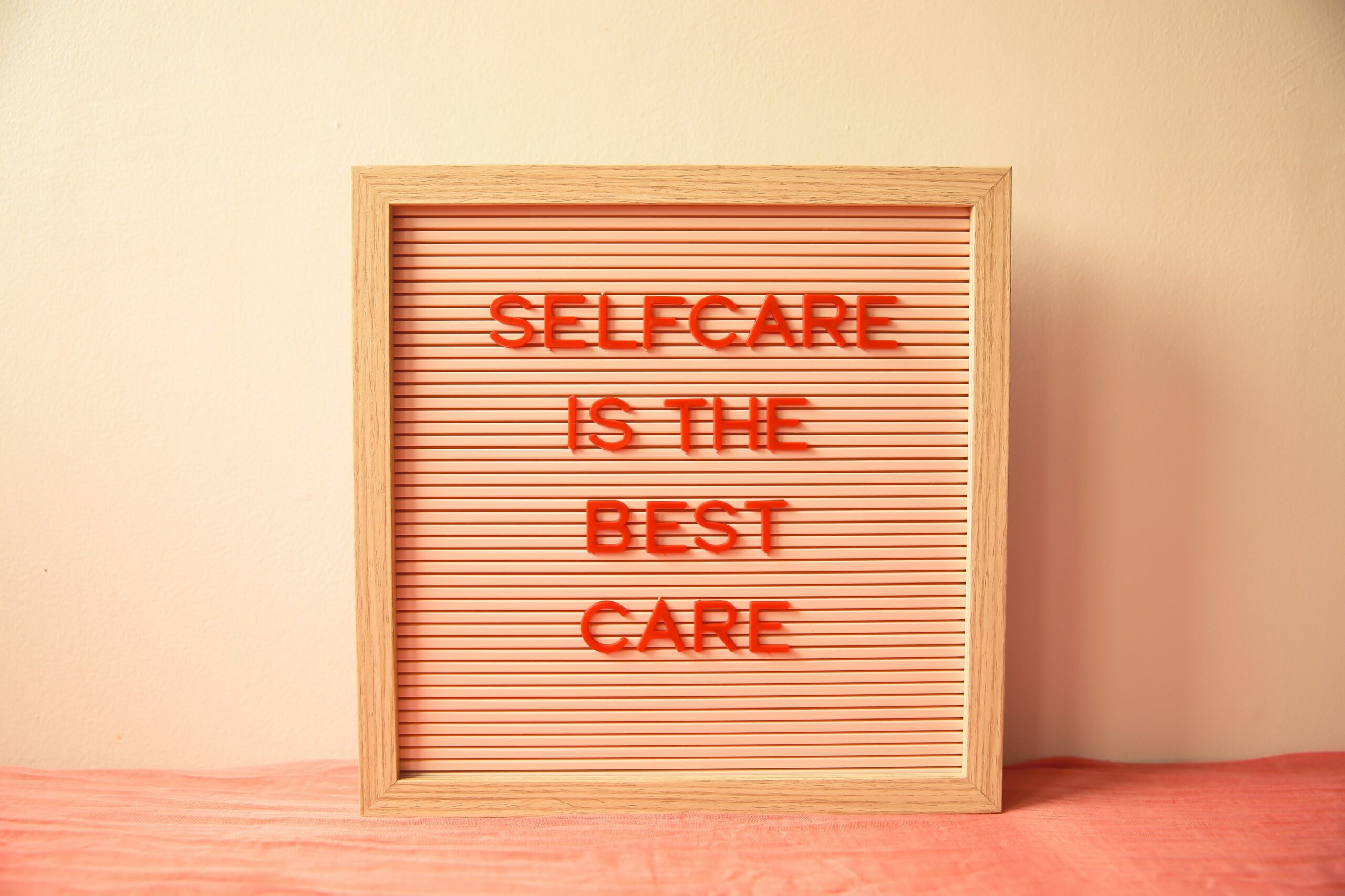
The journey towards resting without feeling guilty involves recognizing the unrealistic standards often set by society and learning to embrace self-care as a vital component of a balanced lifestyle. Acknowledging that rest is not only a human necessity but also a catalyst for greater productivity can help alleviate these feelings. By reframing our relationship with guilt, we can start to prioritize our well-being and recognize that taking time to rest is not just permissible but necessary for a fulfilling life.
The Importance of Rest: Benefits for Mind and Body
In our fast-paced society, the notion of rest often carries a stigma; however, it is essential for both mental and physical well-being. Engaging in regular periods of rest without feeling guilty can lead to significant improvements in a variety of areas. Research indicates that adequate rest enhances mental clarity, enabling individuals to think more critically and make better decisions. This mental rejuvenation is not merely anecdotal; studies show that taking breaks can increase productivity and contribute to a more favorable work-life balance.
Additionally, creativity is often stifled by continuous work, leading to burnout. When we allow ourselves to rest, we provide our minds the opportunity to wander, which is crucial for creative problem-solving. Many successful innovators and artists emphasize the value of stepping away from their tasks to gain fresh perspectives, ultimately enhancing their creativity.
Moreover, effective rest contributes to stress reduction. Chronic stress can have detrimental effects on both mental health and overall physical health. Research has shown that incorporating regular breaks into one’s routine can lower cortisol levels—the hormone associated with stress. This, in turn, supports better emotional regulation and reduces anxiety.
Physical health is another critical area where rest plays a pivotal role. Adequate sleep and downtime are linked to stronger immune function, improved cardiovascular health, and heightened energy levels. These physical benefits underscore the importance of prioritizing rest without feeling guilty. Acknowledging the scientific evidence supporting the necessity of regular breaks encourages individuals to embrace a self-care mindset that is beneficial in the long run.
Reframing Your Mindset Towards Rest
The perception of rest as a luxury rather than a necessity can often lead to feelings of guilt when taking time off. However, adjusting this perspective is crucial to achieving a balanced lifestyle. To begin, adopting a growth mindset is essential. This framework encourages individuals to view challenges as opportunities for development rather than obstacles. By acknowledging that rest can enhance productivity and creativity, one can start to see it as a vital component of success.
Practicing self-compassion plays a pivotal role in this reframing process. Many individuals are conditioned to push through fatigue and prioritize work over personal well-being. However, it is important to remember that everyone has limits, and acknowledging this is a sign of strength, not weakness. By treating oneself with the same kindness that one would extend to a friend, it becomes easier to allow for periods of rest without feeling guilty.
Furthermore, recognizing the intrinsic value of downtime can significantly alter one’s approach to rest. Research indicates that taking breaks can boost overall effectiveness, creativity, and collaboration in professional settings. Through rest, individuals recharge their energy levels and mental clarity, leading to improved performance in the long run. This perspective shift emphasizes that rest should not be viewed as a hindrance to productivity but rather as an essential element in fostering it. Thus, when we embrace the idea that we can rest without feeling guilty, we permit ourselves not only to enjoy those moments but also to return to our responsibilities with renewed vigor.
In a world that often glorifies busyness and constant productivity, setting personal boundaries is essential for maintaining one’s mental and emotional well-being. Learning to say no is not just a skill; it is a necessary practice for ensuring that we do not overwhelm ourselves with commitments that detract from our well-deserved rest without feeling guilty. The art of boundary-setting involves recognizing one’s limits and understanding that it is perfectly acceptable to prioritize self-care over external demands.
Start by assessing the commitments that currently fill your schedule. Are there obligations or requests that you feel pressured to accept due to fear of disappointing others? If so, it may be time to reevaluate those commitments. It is vital to adopt the mindset that guarding your time is a form of self-care. Communicating your limits clearly and assertively can help foster an environment where your needs are respected. Practice phrases such as “I appreciate your understanding, but I cannot take on additional responsibilities at this time,” which convey your message without guilt.
Another powerful strategy for setting boundaries is to prioritize tasks. Identify which activities contribute positively to your life and which drain your energy. Once you have categorized your commitments, you can make informed decisions about where to allocate your time. This will not only help you curtail overcommitment but will also ensure that when you engage in activities, you are fully present and energized.
Additionally, consistently remind yourself that saying no allows you to say yes to the things that genuinely matter to you. Boundaries are essential for effective self-care and serve as a safeguard against burnout. By nurturing the practice of setting limits, you empower yourself to rest without feeling guilty, enriching your overall quality of life.

Creating a Restful Environment
Establishing a restful environment is essential in fostering an atmosphere that encourages effective rest without feeling guilty. A well-organized space, free from clutter, helps to alleviate distractions and instills a sense of calmness, making it easier to unwind. Start by decluttering your living or working areas; remove unnecessary items that can create visual noise. Storage solutions, such as baskets or bins, can assist you in organizing your belongings, facilitating a more serene backdrop conducive to relaxation.
Minimizing distractions is a crucial step in creating your restful space. Consider the impact of technology on your tranquility. Try to limit the presence of devices that may require your attention, such as laptops or smartphones. Designating specific areas for work and leisure can help solidify boundaries between productivity and relaxation, allowing you to rest without feeling guilty about unfinished tasks. It is beneficial to set up an environment that promotes disconnection from work-related stressors during your resting periods.
Incorporating elements that enhance relaxation can significantly contribute to your restful environment. Soft, warm lighting helps to create a comforting ambiance, which can induce a sense of peace. Utilizing calming tones and scents through candles or essential oil diffusers can further enhance this feeling. Additionally, consider implementing soundscapes, such as gentle music or nature sounds, as a backdrop to your resting practices. These auditory elements can obscure distracting noises and facilitate a deeper state of relaxation. By thoughtfully curating your surroundings, you cultivate a space that not only supports your well-being but also empowers you to rest without feeling guilty.
Incorporating Rest into Your Daily Routine
In today’s fast-paced world, the concept of rest can often be overshadowed by a relentless drive for productivity. However, it is crucial to prioritize moments of downtime to enhance overall well-being and maintain efficacy. By incorporating rest into your daily routine, it becomes easier to embrace self-care without the pangs of guilt. The following practical tips aim to help individuals recognize the value of rest and seamlessly integrate it into their lives.
Firstly, consider scheduling short breaks during your workday. Even a five-minute pause can tremendously benefit your mental clarity and physical comfort. Utilize techniques such as the Pomodoro Technique, which involves focusing on a task for 25 minutes followed by a five-minute break. This structured approach helps ensure that periods of productivity are interspersed with necessary moments of rest.
Secondly, carve out intentional downtime in your schedule. Much like meetings, designate specific slots in your calendar for relaxation. This could range from reading a book, enjoying a warm cup of tea, or meditating. Treating these times as non-negotiable appointments will reinforce that rest is equally important as other daily tasks.
Moreover, incorporate mindful practices into your routine. Techniques like deep breathing exercises or yoga can be particularly useful. They not only provide a break but also promote mindfulness, allowing you to focus on the present moment without distractions from your busy surroundings. Engaging in these activities reinforces the idea that you can rest without feeling guilty.
Finally, embrace the concept of boundary-setting. Learn to say no to obligations that infringe on your time for rest. This allows for a better alignment of your daily commitments with your personal well-being, ensuring that rest becomes an essential part of your lifestyle rather than a luxury.
Mindfulness and Rest: Techniques to Enhance Relaxation
In today’s fast-paced environment, finding a way to rest without feeling guilty can often be challenging. Mindfulness practices, such as meditation, deep breathing exercises, and yoga, play a significant role in cultivating a sense of peace and relaxation during rest periods. Implementing these techniques can encourage a deeper connection with oneself, allowing individuals to enjoy their time off without the burden of guilt.
One effective method is mindfulness meditation, where individuals focus their thoughts on the present moment. This practice involves closing one’s eyes, concentrating on breathing, and letting thoughts come and go without judgment. By dedicating just a few minutes daily to this exercise, individuals can experience a noticeable reduction in stress levels, thus enhancing their ability to rest without feeling guilty. Regular practice fosters a habit of being present, making it easier to separate rest time from feelings of inadequacy.
Deep breathing exercises also serve as a powerful tool in promoting relaxation. Techniques such as the 4-7-8 method, where one inhales deeply for four counts, holds for seven counts, and exhales for eight counts, can create an immediate calming effect. By integrating this practice into one’s daily routine, the body’s stress response can be lowered, allowing for a more restorative rest period.
Yoga, with its combination of physical postures, breath control, and meditation, is another exemplary way to enhance relaxation. Engaging in a gentle yoga session can help release stored tension in the body, promoting physical and mental relaxation. This activity not only stimulates the body but also encourages mindful awareness, further reinforcing the ability to rest without feeling guilty about taking time for oneself.
Combating Negative Thoughts About Rest
In a fast-paced society, the act of resting is often associated with feelings of guilt and unproductiveness. To combat the negative thoughts that accompany rest, it is essential to adopt cognitive-behavioral strategies that promote a healthier mindset. These techniques can help individuals recognize and reframe their perceptions of rest, viewing it instead as a necessary component of productivity and well-being.
A first step toward combating negative thoughts is to identify the self-talk that occurs when contemplating taking a break. Many individuals might think, “I should be working instead of resting,” or, “Taking a break is a waste of time.” By recognizing these thoughts, one can begin to challenge their validity. Cognitive restructuring can aid in changing one’s perspective, replacing these unfounded beliefs with more supportive statements. For example, remind yourself that productive work comes after periods of rest.
Another effective strategy is to practice positive affirmations that specifically endorse the importance of rest. Statements such as, “Rest is essential for my productivity” or “I deserve time to recharge” not only enhance self-acceptance but also reinforce the idea that one can thrive without constant activity. Regularly repeating these affirmations can embed a more favorable view of rest in one’s mindset.
Additionally, integrating mindfulness practices can assist in managing negative emotions surrounding rest. Engaging in mindfulness exercises helps individuals focus on the present moment, reducing anxiety about unfinished tasks or responsibilities. By cultivating a non-judgmental awareness of one’s needs, including the need to rest without feeling guilty, a healthier, balanced approach to self-care emerges.
By employing these cognitive and mindfulness techniques, individuals can begin to overcome their negative thoughts about resting. The journey towards fully embracing the necessity of rest involves not only strategic reframing but also a commitment to fostering a supportive inner dialogue.
Embracing Guilt-Free Rest: Personal Stories and Testimonials
Many individuals have grappled with the concept of rest in a society that often equates busyness with productivity. Personal experiences serve as a testament to the transformative power of guilt-free rest. For instance, Julia, a marketing executive, shares how taking regular breaks significantly improved her work-life balance. Initially, she felt a tinge of guilt every time she engaged in self-care activities. However, after experimenting with structured downtime, she realized that her productivity surged. Julia describes her journey: “I used to feel like I was slacking off whenever I took a moment to myself. But after learning to embrace rest without feeling guilty, I now approach my work refreshed and more creative.”
Similarly, Michael, a father of two and a small business owner, illustrates the importance of carving out time for rest. He recounts feeling overwhelmed by his responsibilities and how guilt prevented him from enjoying family moments. “It wasn’t until I set aside ‘me time’ each week that I understood how crucial it was. I initially struggled with taking that time, but now I see it as a vital aspect of my life. Not only has it improved my mood, but it’s made me a better parent and entrepreneur.”
Ashley, a graduate student, provides insight into her experiences with guilt surrounding leisure activities. Balancing studies and personal life led her to neglect self-care. “Once I started prioritizing rest, I found that I could focus better and retain information more effectively,” she states. Her testimonial emphasizes that acknowledging one’s need for downtime is not a weakness, but rather a necessary component of resilience.
These personal narratives highlight a common thread: embracing the notion of rest without feeling guilty fosters a positive mindset and enhances overall well-being. Such stories encourage others to recognize the value of stepping back and investing in themselves, thus paving the way for personal growth and fulfillment.